Disposal and recycling rules for West Kensington cleaning firms
If you run a cleaning business in West Kensington, waste is never just "waste". A half-used bottle of chemical, a bag of dusty cloths, a strip of carpet fibre, or a broken mop head all need handling properly. The rules around disposal and recycling can feel a bit fiddly at first, but once you understand the basics, it becomes part of a tidy, professional workflow rather than a daily headache.
This guide breaks down Disposal and recycling rules for West Kensington cleaning firms in plain English. We will look at what counts as general waste, what should be recycled, where cleaning firms can go wrong, and how to build a safer, more efficient disposal routine. There are a few legal and best-practice points to keep in mind, but nothing here is meant to be overcomplicated. Truth be told, most compliance trouble starts with small habits.
For firms that also want to build stronger sustainability practices into their day-to-day operations, it can help to review a company's own recycling and sustainability approach alongside the practical rules below. The two go hand in hand.
Table of Contents
- Why Disposal and recycling rules for West Kensington cleaning firms Matters
- How Disposal and recycling rules for West Kensington cleaning firms Works
- Key Benefits and Practical Advantages
- Who This Is For and When It Makes Sense
- Step-by-Step Guidance
- Expert Tips for Better Results
- Common Mistakes to Avoid
- Tools, Resources and Recommendations
- Law, Compliance, Standards, or Best Practice
- Options, Methods, or Comparison Table
- Case Study or Real-World Example
- Practical Checklist
- Conclusion
- Frequently Asked Questions
Why Disposal and recycling rules for West Kensington cleaning firms Matters
Cleaning firms handle a wide mix of materials, and not all of them can be tossed into the same bin. Some items are harmless enough in everyday use but become problematic once contaminated with chemicals, grease, body fluids, or heavy dirt. Others are recyclable in theory, yet not once they have been soaked with cleaning solution or mixed with general rubbish. That's where many teams get caught out.
In a busy place like West Kensington, clients also notice the little things. A tidy van, clearly labelled waste bags, and a firm that knows the difference between recycling and disposal all send a simple message: this business pays attention. That matters in domestic cleaning, office cleaning, after-builders work, and larger jobs such as deep cleaning or end of tenancy cleaning, where waste builds up quickly.
There is also a practical side. Poor waste handling can lead to smells, leaks, cross-contamination, and unhappy clients. A cloth left damp with strong product can irritate skin or damage other materials in transit. A carton of mixed recyclables can become unrecoverable if it is drenched with solution. Not glamorous, I know, but very real.
Expert summary: the safest approach is to separate waste at source, keep hazardous items isolated, record any chemical or contaminated disposal, and build a routine that every cleaner can follow without guesswork.
How Disposal and recycling rules for West Kensington cleaning firms Works
At a practical level, the process is simple: identify the waste, separate it, store it safely, and then pass it into the correct collection route. The tricky part is that a cleaning team creates several kinds of waste in a single shift. You may have recyclable packaging, reusable items that only need washing, contaminated cloths, and occasional hazardous leftovers all in one bag. Not ideal, but manageable.
1. Identify the waste stream
Start by asking what the item actually is. Packaging from a new bottle of detergent is not the same as a bottle containing leftover product. Paper towels used for dusting are not the same as clean cardboard. A broken spray trigger may be recyclable plastic, but only if it is clean enough and local collection rules allow it. If it's coated in product residue, keep it out of recycling.
2. Separate clean from contaminated material
This is one of the biggest distinctions in cleaning waste. Clean cardboard, clean plastic wrap, and unopened packaging often belong in recycling. Used cloths, disposable wipes, paper towels, and heavily soiled materials usually do not. If a cleaner has used an item to remove grease, bodily residue, paint dust, or chemical product, treat it as contaminated until you know otherwise.
3. Store chemical waste safely
Cleaning firms sometimes keep a few products in reserve for different jobs: oven cleaner, descaler, disinfectant, floor cleaner, stain remover. Leftover product, empty containers with residue, and damaged bottles should be handled carefully. Keep containers upright, sealed, and away from heat or food items. A knocked-over bottle in the back of a van on a wet Tuesday morning is the sort of small disaster nobody wants.
4. Use the right disposal route
General waste, recycling, and special disposal routes all serve different purposes. For example, packaging waste may go to recycling once clean and separated, while contaminated material may need to be disposed of as general waste or through a specialist route depending on the substance. Firms that do office cleaning often face more paper, printer waste, and food-related rubbish, while after-builders cleaning generates dust bags, plaster fragments, and heavy debris that need a different approach altogether.
5. Keep records where appropriate
You do not need to turn everything into paperwork theatre. Still, if your business produces potentially hazardous waste, it is wise to keep notes on what was removed, when, and how it was transferred. Good recordkeeping helps with accountability, staff training, and customer reassurance. It also makes it easier to spot patterns if waste volumes suddenly increase after certain jobs.
Key Benefits and Practical Advantages
Good disposal and recycling practice is not just about avoiding trouble. It makes the whole business run better. Cleaner vans, fewer odours, less mess in storage, and fewer awkward questions from clients all add up. And yes, clients do notice. They might not say it in so many words, but they notice.
- Cleaner operations: separating waste early keeps vehicles and storage areas more organised.
- Lower contamination risk: recycling stays useful only when it is kept clean.
- Better client trust: visible care around waste handling signals professionalism.
- Safer staff routines: fewer mixed bags means fewer cuts, spills, and mix-ups.
- Less waste confusion: everyone knows where a used cloth or empty bottle should go.
- Better sustainability story: firms can explain their practices with confidence rather than vague claims.
For companies that market themselves as a cleaning company rather than a one-off operator, these benefits become part of the brand. A client looking for domestic cleaning or house cleaning will usually trust the firm that looks organised from the first visit.
Who This Is For and When It Makes Sense
This topic matters for any cleaning firm that produces waste, which, let's face it, is all of them. But some businesses need to be especially alert because they handle a wider mix of materials or work in more regulated environments.
- Domestic cleaners: often deal with packaging, tissues, wipes, personal waste, and occasional broken household items.
- Office cleaners: manage paper waste, bin liners, kitchen waste, sanitiser containers, and recycling contamination.
- Specialist cleaners: such as carpet cleaning, sofa cleaning, and upholstery cleaning teams may generate dirty water, fibre residue, and heavily soiled cloths.
- One-off or deep-clean teams: often create more waste in a single job than routine cleaning does in a week.
- End-of-tenancy firms: may need to remove abandoned items, bags of rubbish, or a mix of left-behind household waste.
If your team also offers oven cleaning or window cleaning, you'll probably see a mix of grease-related waste, spent cloths, and packaging from stronger products. Those jobs can be deceptively messy. They always look simpler on the invoice than they do in the van.
Step-by-Step Guidance
A good disposal routine does not need to be complicated. The best systems are usually the plain ones that people can follow under pressure. Here's a structure that works in everyday cleaning operations.
- Sort waste at the point of use. Do not wait until the end of the day if you can avoid it. Put recycling, general waste, and contaminated items into separate bags or containers while the job is still in progress.
- Keep a clear product area. Store cleaning chemicals upright, labelled, and closed properly. If a bottle leaks, isolate it immediately and treat the cloths or absorbent material as contaminated.
- Train staff on contamination rules. A recyclable item is only recyclable if it stays clean. Make sure teams know that a dirty paper towel or food-soiled packaging does not belong in the recycling stream.
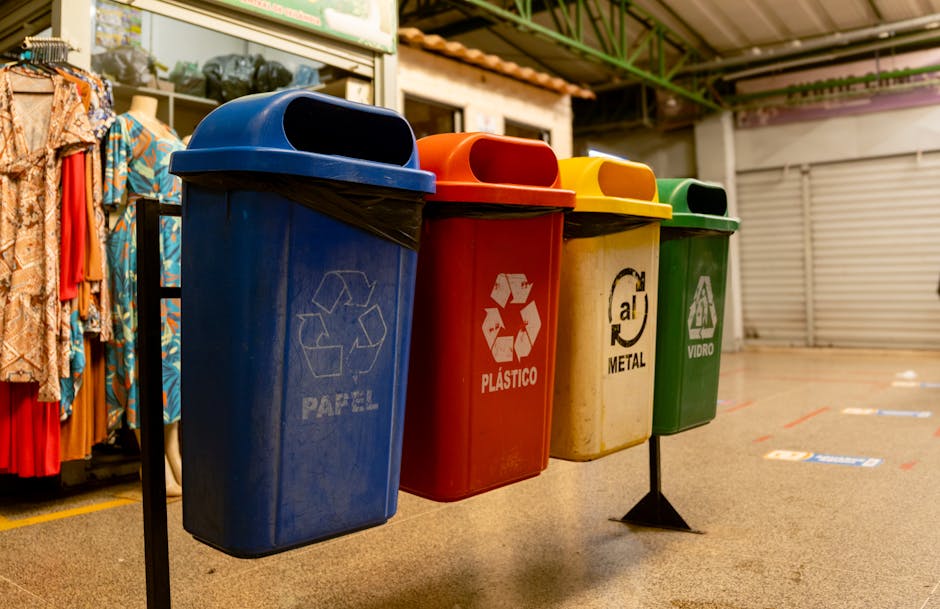
- Use dedicated containers for different waste types. Even simple colour-coded bags can reduce mistakes. The point is clarity, not aesthetics.
- Check hazardous items separately. Batteries, bulbs, and certain cleaning leftovers should not be mixed with ordinary rubbish. If your job involves them, plan the disposal route before the shift begins.
- Document unusual waste. If a job involves chemical residue, sharps, body-fluid contamination, or a large volume of debris, keep a note in the job file. That one small note can save confusion later.
- Review the process after bigger jobs. After builders work, a refurbishment clean, or a major tenancy clearance, pause and ask: what waste came up, what was hard to separate, and what should change next time?
That last step is often skipped. Pity, because it is where the improvement happens.
Expert Tips for Better Results
If you want your waste handling to feel effortless rather than messy, a few small habits make a surprising difference.
- Keep a "contamination kit" in the van. This might include spare gloves, absorbent pads, heavy-duty sacks, and a sealable container for damaged items.
- Do not overfill bags. Overstuffed sacks split, and split sacks create more waste. Very circular, very annoying.
- Rinse only where appropriate. Some containers can be rinsed and recycled if local rules allow it and the rinse water will not create a drain or safety issue. If in doubt, keep it simple and safe.
- Separate high-volume paper waste from general rubbish. Office sites, especially, can create clean paper streams that are easier to recycle if staff do not mix them with food waste.
- Use clear labels. "Recycle", "general waste", and "contaminated" are far more useful than vague bin names that only one person understands.
- Build waste checks into the end-of-job routine. The final sweep of a property is a good time to catch a bottle cap, a used pad, or packaging left under a radiator.
For firms that want to present a more polished service, discussing waste handling during the quote stage can help. A clear process also pairs well with transparent pricing and quotes, because clients appreciate knowing what is included and how the job will be handled from start to finish.
Common Mistakes to Avoid
Most problems with disposal and recycling are not dramatic. They are small, repeatable errors that quietly build up.
- Putting everything in one bag: it saves time in the moment and creates problems later.
- Recycling contaminated packaging: once a bottle or carton is dirty enough, it usually stops being a clean recyclable item.
- Leaving chemical containers open: this risks spills, fumes, and accidental contact.
- Assuming all plastics are recyclable: not every plastic item is accepted, and not every item is clean enough.
- Ignoring reusable options: some waste problems are really product-choice problems in disguise.
- Forgetting staff training: the best disposal system fails if nobody understands it.
- Mixing construction debris with ordinary rubbish: particularly after after-builders cleaning, this can become expensive and messy fast.
One common slip-up is simple laziness at the end of a long day. The bin is full, the floor is wet, everyone wants to go home, and suddenly the nearest sack becomes the destination for everything. Understandable? Absolutely. Good practice? Not really.
Tools, Resources and Recommendations
You do not need a warehouse of equipment to get this right. A few practical tools go a long way.
| Tool or item | Why it helps | Best use |
|---|---|---|
| Colour-coded waste bags | Makes sorting obvious at a glance | Routine domestic and office work |
| Sealable chemical box | Stops leaks and keeps bottles upright | Van storage and transport |
| Gloves and spill wipes | Supports safe handling of contaminated items | All cleaning teams |
| Labelled recycling caddy | Keeps clean recyclables separate | Office kitchens and staff areas |
| Job notes or checklist sheet | Records unusual waste or disposal issues | Deep cleans and specialist jobs |
It also helps to maintain a few written house rules for staff. Keep them short. A long policy nobody reads is worse than a short policy people use.
When a job becomes physically larger or more cluttered than expected, firms sometimes need extra support through house clearance or a broader clean that includes removal of unwanted items. The important thing is to decide in advance what the cleaning team is allowed to remove and what must be flagged for separate handling.
Law, Compliance, Standards, or Best Practice
For UK cleaning firms, disposal and recycling practice sits within a wider duty of care around waste handling, workplace safety, and environmental responsibility. You do not need to become a lawyer to run a decent operation, but you do need to understand the basics and follow them consistently.
In practical terms, that means:
- keeping waste separate where possible,
- avoiding contamination of recyclable materials,
- handling chemical leftovers carefully,
- making sure staff know what to do with unusual waste,
- and using reputable disposal arrangements when specialist waste is involved.
Where a job involves potentially hazardous substances, contaminated cloths, strong chemical residues, or other higher-risk materials, firms should be more cautious than casual online advice might suggest. If in doubt, treat the item as non-recyclable until it has been checked against your local disposal route and internal procedures. That is the safer call, every time.
Best practice also means being honest about what your business can and cannot recycle. A firm that says "we recycle everything" sounds nice, but it is rarely realistic. Clients tend to respect a clear, careful answer more than a sweeping one. If your team follows internal guidance, keeps records for unusual waste, and avoids mixing clean recyclables with contaminated waste, you are already in a much stronger position.
Options, Methods, or Comparison Table
Cleaning firms usually end up choosing between a few practical waste-handling methods. The right one depends on the job type, waste volume, and how much contamination is involved.
| Method | Best for | Pros | Limits |
|---|---|---|---|
| On-site separation | Regular domestic and office work | Simple, cheap, and reduces mistakes | Needs staff discipline |
| Bag-and-sort later | Very small jobs only | Quick in the short term | Higher contamination risk |
| Dedicated vehicle storage | Multi-stop or specialist cleaning | Keeps items organised during the day | Requires secure transport setup |
| Specialist disposal route | Chemicals, contaminated waste, unusual items | Safer and more compliant | May take more planning |
For many firms, the best answer is not one single method but a hybrid. Routine waste is separated on site, recyclable packaging stays clean, and anything questionable is isolated for review. That mix is usually enough for everyday work, including one-off cleaning and recurring domestic visits.
Case Study or Real-World Example
Picture a small West Kensington team finishing a mixed job on a Friday afternoon. They've done a light office clean in the morning, then moved to a one-bedroom flat for an end-of-tenancy clean. By 4 p.m., they have cardboard packaging from replacement supplies, a few used cloths, some food waste from the office kitchen, a half-empty bottle of degreaser, and a bag of dusty debris from behind white goods.
At first glance, it all looks like "just rubbish". But the better team stops and sorts it before leaving. The cardboard stays clean and goes into recycling. The used cloths and food waste go into general waste. The degreaser is sealed and stored separately. The dusty debris is bagged on its own so it does not contaminate the cleaner material. It takes ten extra minutes, maybe less. The next day, the van smells better, the storage area is tidier, and nobody has to untangle a mystery sack later on.
That kind of routine may sound small, but it is exactly the difference between a firm that merely gets through the job and one that looks organised, safe, and worth rebooking.
Practical Checklist
Use this checklist before, during, and after jobs to keep disposal and recycling under control.
- Do we know what types of waste this job is likely to produce?
- Have we brought separate bags or containers for recycling, general waste, and contaminated items?
- Are all cleaning products sealed, labelled, and stored upright?
- Have staff been told what must not go into recycling?
- Do we have a plan for any chemical residue or unusual waste?
- Are vehicle storage areas clean and easy to inspect?
- Have we checked the final waste mix before leaving the property?
- Have we recorded anything unusual in the job notes?
- Do we need a different approach for carpets, upholstery, or after-builders work?
- Are reusable cloths and tools being cleaned, dried, and returned properly rather than discarded too soon?
A quick check like this sounds basic. It is basic. That is exactly why it works.
Get a free quote today and see how much you can save.
Conclusion
For West Kensington cleaning firms, disposal and recycling are not side issues. They are part of how you work safely, present yourself professionally, and keep waste under control without creating extra problems for your team or your clients. The firms that get this right usually build simple routines: separate waste early, keep contamination out of recycling, handle chemicals carefully, and train staff to do the same thing every time.
That consistency matters more than fancy language or glossy promises. Clients can tell when a business is organised. They can tell when the van is tidy, the bags are labelled, and the team knows what to do without stopping to guess. Small detail, big impression.
And honestly, that's the job here: make waste handling boring in the best possible way. Safe, routine, unremarkable. A quiet little sign of competence.
Frequently Asked Questions
What counts as recyclable waste for a cleaning firm?
Usually clean cardboard, paper, and some uncontaminated plastic packaging may be recyclable, but only if local collection rules accept them and they are not soiled with chemicals, grease, or food waste.
Can used cleaning cloths go in recycling?
In most cases, no. Once cloths have been used, they are usually contaminated and should be handled as general waste or cleaned and reused if they are still in good condition.
What should I do with leftover cleaning products?
Keep them sealed and stored safely, then follow the correct disposal route for that product type. Do not pour leftovers down drains unless you are certain it is permitted and safe to do so.
Do cleaning firms need a written waste policy?
It is not always legally required in a simple form, but a written internal policy is a very good idea. It helps staff follow the same process and reduces confusion on busy jobs.
How do I handle waste from after-builders cleaning?
Separate dust, debris, and packaging as early as possible. Builders' waste is often heavier and messier than ordinary household waste, so it needs a more deliberate approach.
Are empty detergent bottles recyclable?
Sometimes, if they are clean enough and local recycling rules allow the material. If the bottle contains residue or is contaminated, treat it with caution rather than guessing.
What is the biggest disposal mistake cleaning firms make?
Mixing contaminated waste with recyclables is probably the most common mistake. Once clean material is contaminated, the whole batch can become much harder to recycle.
Should office cleaning teams sort waste differently from domestic cleaners?
Yes, often they should. Offices produce more paper, packaging, and food-related waste, while domestic jobs may involve more personal waste, mixed household rubbish, and small contaminated items.
How can I train staff without making it complicated?
Keep it practical. Show them what goes where, use clear labels, and give a few real examples from everyday jobs. Short training is often better than a long policy nobody remembers.
What if I'm not sure whether something is hazardous?
If there is any doubt, treat it conservatively and isolate it. It is better to pause and check than to mix a risky item into normal waste by mistake.
Do sustainability rules matter to customers?
Yes, more than many firms expect. Customers may not ask for a technical breakdown, but they usually notice when a business handles waste neatly and speaks clearly about recycling.
Where does this fit into a wider cleaning service?
It fits everywhere. From home cleaners and office cleaners to specialist teams offering rug cleaning or oven cleaning, waste handling is part of the service, not an afterthought.
How often should disposal procedures be reviewed?
Review them whenever your team changes products, takes on a new type of job, or notices recurring waste issues. A quick refresh every so often keeps the process sensible and current.