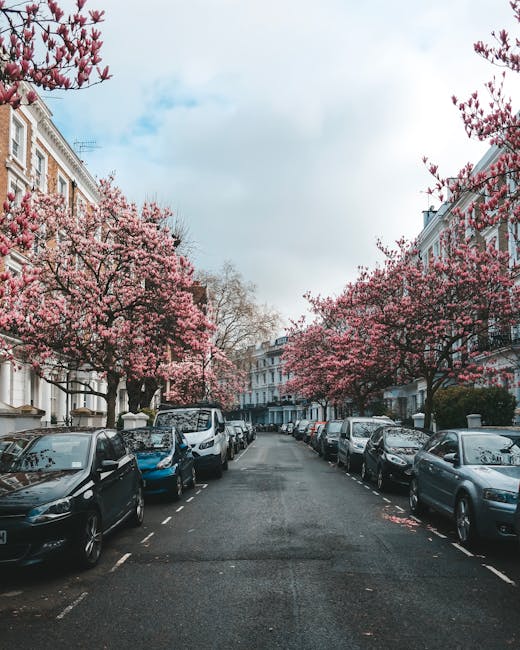
What to know about access and parking for West Kensington cleaners
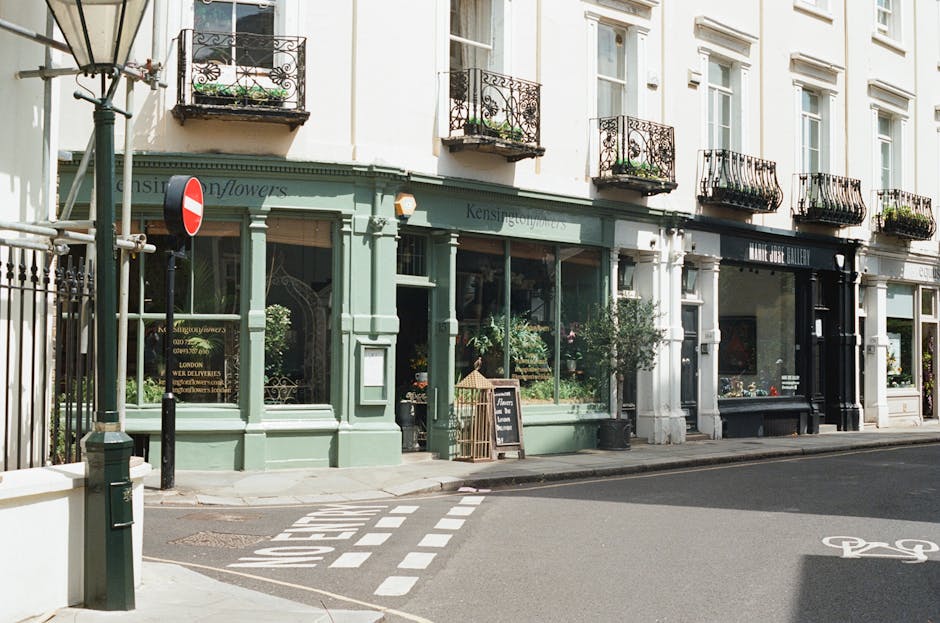
If you are booking a cleaner in West Kensington, the job rarely starts with a mop. It starts with access. Can someone get into the building easily? Is there somewhere legal to park for a short visit? Will a cleaner need to carry equipment up three flights of stairs because the lift is out again? These are the small details that can turn a straightforward clean into a faff, or make everything feel pleasantly simple.
This guide explains what to know about access and parking for West Kensington cleaners in plain English. It is written for homeowners, tenants, landlords, office managers, and anyone trying to avoid last-minute stress on the day. We will cover how access usually works, what parking is worth checking in advance, the mistakes people make, and how to prepare so your visit goes smoothly first time.
Why access and parking matter
Access and parking may sound like admin, but in real life they shape the whole appointment. A cleaner can only work efficiently if they can get to the property on time, bring in the right kit, and start without unnecessary delays. That matters even more in a busy part of London, where road space is limited, building entrances are not always obvious, and parking can be a small puzzle in itself.
For domestic visits, the issue is often about keys, entry codes, lift access, and whether someone needs to buzz in on arrival. For larger jobs such as deep cleaning, end of tenancy cleaning, or office cleaning, access planning becomes even more important because the team may bring vacuums, extension leads, solutions, and heavier equipment. No one wants to do the classic British dance of carrying two bags, a hoover, and a bucket while trying not to block the pavement.
Parking matters for a simple reason: if the cleaner cannot stop safely and legally near the property, they may lose time parking farther away, which can affect arrival, labour, and the overall rhythm of the job. That does not automatically mean the booking is a problem. It just means the details should be sorted early rather than guessed later.
Expert summary: The smoother the access, the faster the clean tends to feel. Parking is not just about convenience; it affects punctuality, equipment handling, and how confidently a team can do the work.
In our experience, the best jobs are the ones where both sides know the plan before the cleaner sets off. A minute of clarity at the start often saves ten minutes of confusion on arrival. Sometimes more.
Table of Contents
- Why access and parking matter
- How access and parking usually work
- Key benefits and practical advantages
- Who this is for and when it makes sense
- Step-by-step guidance
- Expert tips for better results
- Common mistakes to avoid
- Tools, resources and recommendations
- Law, compliance, standards and best practice
- Options, methods and comparison table
- Case study or real-world example
- Practical checklist
- Conclusion
- Frequently Asked Questions
How access and parking usually work
There is no single formula, because every property in West Kensington is a bit different. A ground-floor flat on a side street is not the same as an upper-floor office with restricted entry and timed loading. Still, most visits follow a similar pattern.
Typical access arrangements
- Key collection or drop-off: Useful for vacant homes, end of tenancy jobs, or when the client is not present.
- Key safe or lockbox: A practical option if you want controlled entry without meeting in person.
- Buzz-in or concierge access: Common in managed blocks and some commercial buildings.
- On-site handover: Handy for occupied homes and offices where someone can let the cleaner in directly.
- Code-based entry: Often used for shared entrances, gates, or office doors.
A good cleaner will usually ask about access before the appointment, because it changes arrival timing and what needs to be carried. If a cleaner is arriving for a specialist job such as carpet cleaning or oven cleaning, they may need a bit more space, power access, or time to unload safely. Nothing dramatic. Just sensible planning.
Typical parking arrangements
Parking in West Kensington can range from easy to awkward, depending on the street, time of day, permits, resident-only bays, yellow line restrictions, and whether there is anywhere to pause briefly while unloading. A short visit may only need a few minutes to drop kit near the entrance, but that still has to be done legally. The cleaner or company may ask whether a visitor bay is available, whether a permit can be arranged, or whether parking is best explained in advance so they can plan their route.
For some jobs, parking is not just a convenience; it is part of the logistics. A team doing one-off cleaning or after builders cleaning may need to bring heavier equipment and supplies. That means a short walk from the vehicle can be fine, but a long one with no lift and a narrow staircase? Less ideal. Nobody likes that second trip. Nobody.
Key benefits and practical advantages
Getting access and parking sorted early sounds small, but it gives you a few real advantages.
- More accurate arrival times: The cleaner can plan the route and avoid guesswork about where to stop.
- Less disruption: Fewer calls, fewer delays, fewer awkward "I am outside, but not quite outside" moments.
- Better use of time: The cleaner can spend more of the booked slot actually cleaning.
- Safer handling of equipment: Less carrying back and forth means less risk of slips, bumps, or tired hands.
- Clearer expectations: Everyone knows whether parking is provided, whether keys are arranged, and who is meeting whom.
There is also a commercial advantage. If you are comparing quotes, a provider who asks sensible questions about access, parking, and building rules is usually showing good operational awareness. That does not automatically make them the cheapest option, but it often means the job will run more smoothly. And let's face it, smooth is underrated.
For regular households, access planning can reduce the little frictions that make cleaning day feel like admin day. For offices, it can protect business continuity. For landlords and letting agents, it can make handovers much easier during a hectic turnaround.
Who this is for and when it makes sense
Almost anyone arranging a cleaning visit in West Kensington can benefit from thinking about access and parking, but some situations need more care than others.
Homeowners and tenants
If you live in a flat, terrace, mansion block, or converted building, the key question is usually entry. Is there a concierge? A coded door? A lift that only works with a fob? Even simple things matter, like whether the cleaner should ring the flat number or call on arrival. A five-second note can prevent a ten-minute wait by the front door.
Landlords and agents
For end of tenancy cleaning, access planning is often tied to check-out timing, key handover, and inspection windows. If the property is empty, you may also need to think about parking for a longer period while the cleaner moves between rooms and equipment. It is one of those jobs where being organised really pays off.
Offices and commercial premises
With office cleaners, the challenge is usually access outside normal trading hours, security procedures, and where a vehicle can stop without blocking business traffic. A cleaner may need a contact person, a reception process, or a loading point. If a building has a tight schedule, this becomes less of a detail and more of a core planning item.
Busy households and larger cleans
If you have children underfoot, pets that like to investigate every bag, or a house full of furniture that needs shifting carefully, the cleaner may need slightly more room and time on arrival. Jobs such as house cleaning, domestic cleaning, or upholstery cleaning tend to go better when the path in is clear and the instructions are plain.
Step-by-step guidance
If you want the clean to start well, use this simple process. It is not complicated, which is exactly why people skip it. Then they regret it later.
- Check how the cleaner will enter the property. Decide whether someone will meet them, whether a key is being left, or whether there is a code or fob involved.
- Confirm parking possibilities. Look at the street and think about where a vehicle could stop legally for arrival and unloading. If you are unsure, tell the cleaner what you do know.
- Share building restrictions early. Mention lifts, porter hours, delivery bays, loading rules, or any time limits on vehicle access.
- Ask what the cleaner needs to bring. If the job includes carpet cleaning, sofa cleaning, or window cleaning, the kit may be bulkier than for a standard maintenance clean.
- Plan a realistic start time. Traffic, parking searches, and building entry can all affect punctuality. A small buffer helps.
- Make entry easy on the day. Leave instructions where agreed, keep phones charged, and make sure someone knows the cleaner is arriving.
- Review the first visit. If access worked well, keep the same process for next time. If it was awkward, tighten it up before the next booking.
A short example: if a cleaner is booked for a flat near the Olympia area on a weekday morning, parking and access may be smoother if arrival is staggered and entry instructions are very clear. The cleaner can park, unload, and get going without needing three phone calls and a treasure hunt for the right bell. Simple, but it works.
Expert tips for better results
A few small habits can make a noticeable difference. These are the kinds of details that experienced clients tend to get right the second time, because the first time taught them a lesson.
- Send access notes in one message. Do not scatter the instructions across text messages, emails, and a voicemail from yesterday. One clear note is easier to follow.
- Include landmarks. If the entrance is tucked away or the bell is hard to spot, mention it plainly. "Blue door next to the pharmacy" is far more helpful than "you will see it."
- Tell the cleaner about parking reality, not the ideal version. If the street is usually full by 8.30am, say so. It helps everyone plan honestly.
- Prepare for shared spaces. In blocks with corridors or lifts, keep communal areas clear. It shows respect and it keeps the visit efficient.
- Think about heavy items. For jobs like rug cleaning or facade cleaning, the cleaner may need a bit more room around the vehicle and doorway.
- Keep the first contact person reachable. If the cleaner cannot get in, a five-minute delay can become twenty. A live phone line matters.
One practical tip that sounds almost too basic: take a photo of the entrance or the nearest workable parking spot if the property is difficult to find. Not mandatory, just useful. Sometimes a picture saves a lot of back-and-forth, especially on a rainy West Kensington afternoon when nobody wants to stand outside squinting at door numbers.
Another small one. If you are arranging repeated visits, keep a running note of what worked: which gate code, which doorbell, which side street tends to have spaces after lunchtime. Future-you will be grateful. Truth be told, future-you is often the one paying for present-you's forgetfulness.
Common mistakes to avoid
Most access and parking problems are not dramatic. They are just avoidable. That is the annoying part.
- Assuming parking will be easy: It may be, but assumptions do not help when a street is full.
- Leaving out entry details: A cleaner cannot guess the right bell if there are six of them.
- Forgetting building rules: Some blocks do not allow casual unloading near the front entrance.
- Not warning about stairs or lift issues: This matters for equipment and timing.
- Giving vague instructions: "Around the back somewhere" is not enough when someone is carrying a vacuum.
- Changing the plan at the last minute: A cleaner who expected key access may need extra time if the setup changes.
Another mistake is not checking whether the job itself affects the logistics. A standard tidy-up may need little more than a tote and a vacuum. A full deep cleaning or after builders cleaning can require more kit, more bags, and more room. The difference is easy to miss until the van arrives and everyone realises the lift is tiny. Happens more than people think.
Also, do not forget the weather. A wet day can make short walks from parking to entrance a bit more awkward, especially if the route includes uneven pavement or shared access paths. It is a small thing, but then so are many big inconveniences.
Tools, resources and recommendations
You do not need specialist software to manage access and parking well. A few practical tools and habits will usually do the job.
- Phone notes: Keep one simple note with entry instructions, parking guidance, and contact details for repeat bookings.
- Calendar reminders: Useful for letting you set up keys, lift access, or permit arrangements before the appointment.
- Photo messages: A quick picture of the doorway, side entrance, or parking bay can remove confusion fast.
- Building management notes: If you live in a managed property, keep the relevant rules handy so you can brief the cleaner properly.
- Service information pages: If you are comparing different types of cleaning, look at the provider's general standards and service pages such as cleaners, cleaning company, and home cleaners to understand the scope of work before you book.
If you are the organised type, you might keep a little "arrival plan" note in your phone. If you are not the organised type, well, maybe this is the month you become slightly more organised. Only slightly. No need to go full spreadsheet wizard.
It can also help to review practical service pages when deciding what kind of visit you need. For example, house cleaning may need different access from office cleaning, and a specialist job like oven cleaning will often have different equipment needs again. The point is not to overcomplicate it. The point is to match the logistics to the job.
Law, compliance, standards and best practice
Parking and access are practical matters, but they do sit alongside wider duties around safety, insurance, and property management. You do not need to become a legal expert to handle them properly, but you should follow sensible UK best practice.
First, parking should always be legal and considerate. That means no blocking driveways, no ignoring bay restrictions, and no assuming a quick stop is automatically okay. In London, even short-term stopping can matter. If a cleaner is visiting a property, the safest approach is to provide accurate parking information rather than leaving it to chance.
Second, access arrangements should support safe working. If a cleaner needs to carry kit through shared areas, clear routes and good lighting help reduce trip hazards. That is where a provider's broader policies matter too. Pages such as health and safety policy and insurance and safety are useful indicators that a company thinks carefully about risk, equipment handling, and safe visits.
Third, if you are sharing keys, codes, or entry details, handle them responsibly. Only share what is needed for the appointment. If you need to understand how personal information is handled, a provider's privacy policy and terms and conditions are sensible places to look.
For occupied homes, managed buildings, and commercial sites, best practice is simple: clear communication, safe entry, and no assumptions. That is the whole game, really. If a company explains how it handles scheduling, payment, safety, and complaints, that usually signals decent operational discipline. You can also review pages such as pricing and quotes and payment and security to understand how the booking process is structured.
If you ever need to raise a concern, it helps when a company has a clear process. A visible complaints procedure shows there is a route for resolving issues professionally rather than leaving you guessing.
Options, methods and comparison table
There are a few common ways to handle access and parking. The right one depends on the property, the timing, and the type of clean.
| Method | Best for | Pros | Watch-outs |
|---|---|---|---|
| Meet-and-let-in | Occupied homes, first visits, simple domestic cleans | Friendly, quick to explain, easy to confirm details | Someone must be available at arrival |
| Key collection or drop-off | Vacant homes, tenancy turnovers, repeated bookings | Flexible and efficient once arranged | Requires clear responsibility for keys |
| Code, fob, or concierge access | Managed blocks and office buildings | Can work very smoothly when set up well | Needs correct instructions and timing |
| Pre-agreed parking bay or permit | Busier streets and larger cleans | Reduces arrival stress and unloading delays | May need advance coordination |
There is no "best" option in the abstract. There is only the option that fits your building, your street, and the size of the job. If you are booking a specialist service such as carpets cleaner work or cleaner visits for a busy household, the method should make life easier, not harder.
A lot of people default to whatever was used last time, even if last time was a bit messy. Better to ask: did that setup actually work? Or did it just barely work? Small difference, big impact.
Case study or real-world example
Here is a realistic example from a typical West Kensington booking. A client was arranging a pre-tenancy clean for a top-floor flat in a converted building. The flat was easy enough to access, but parking on the street was tight, and the entrance was tucked away behind another doorway. Nothing extreme, just the sort of setup that can go wrong if nobody spells it out.
The client shared three things before the appointment: the correct door number, the best place to stop briefly for unloading, and the fact that the lift sometimes needed a fob from reception. The cleaner arrived, unloaded without stress, and got on with the job. No extra calls. No wandering around outside. No awkward pause while someone searched for the right entrance. The whole visit felt calmer because the groundwork had been done.
By contrast, another appointment in a nearby block had similar conditions but no parking note and no access instructions. The cleaner still completed the work, but the first fifteen minutes were spent sorting out entry and finding a legal place to stop. Not a disaster. Just avoidable friction.
The lesson is straightforward: the more predictable the access, the more predictable the service. And predictable is good. It makes everyone's day easier, which is honestly the point.
Practical checklist
Use this checklist before the cleaner arrives. It keeps things tidy and cuts down on unnecessary messages later.
- Confirm the full address and exact entrance.
- Check who is meeting the cleaner, or how entry will happen.
- Share door codes, fobs, or key instructions securely.
- Tell the cleaner about stairs, lifts, narrow corridors, or shared hallways.
- Explain the parking situation clearly, including any permits or time limits.
- Make sure there is a sensible place to unload if the job needs equipment.
- Note any building rules about deliveries or vehicle access.
- Keep your phone on and nearby during the arrival window.
- Point out pets, alarms, security systems, or anything else that might affect entry.
- Check that rooms, cupboards, or areas needing attention are accessible.
If you want to keep it really simple, ask yourself one question before the cleaner travels: "If I were arriving here for the first time, would I know exactly where to go and where to stop?" If the answer is no, add another line of detail. That one question solves a surprising number of problems.
Conclusion
What to know about access and parking for West Kensington cleaners comes down to one thing: make the visit easy to begin. When the entrance is clear, the parking plan is realistic, and the instructions are simple, the whole service feels more efficient and less stressful. That applies whether you are booking a regular home clean, a one-off refresh, or a larger job with more equipment and more moving parts.
Think of access and parking as part of the service, not an afterthought. A few minutes spent organising it properly can save time, reduce confusion, and make the cleaning itself noticeably better. A tidy start often leads to a tidy finish. Not always, but often enough to matter.
For more about the company, service standards, and related information, you can also look at the about us page and the accessibility statement if you want a better sense of how visits and user needs are handled. And if you are comparing a few options, checking the practical details upfront is usually the smartest move.
Get a free quote today and see how much you can save.
Clear access, sensible parking, and a bit of planning go a long way. Sometimes that is all it takes for a job to feel easy from the very first knock.
Frequently Asked Questions
Do cleaners in West Kensington need parking right outside the property?
Not necessarily. Often a nearby legal parking space is enough, especially if the cleaner only needs to unload equipment at the start. The important part is that the stop is legal, practical, and communicated in advance.
What access details should I give before the booking?
Share the full address, entrance instructions, bell number, key or code arrangement, and any relevant building notes. If there are stairs, lifts, concierge rules, or a side entrance, mention those too.
What if the cleaner cannot find parking when they arrive?
They may need extra time to park farther away, which can affect the start of the visit. That is why it helps to describe the local parking situation before the day, rather than waiting until the van is already outside.
Can I leave a key for the cleaner if I am not home?
Yes, if the arrangement has been agreed clearly and securely. Some clients use a key handover, while others prefer a safe or concierge arrangement. The key point is to make sure the process is simple and trusted.
Do office cleans need different access planning from domestic cleans?
Usually, yes. Offices often involve reception procedures, security codes, set access times, and specific parking or loading restrictions. Domestic jobs are often simpler, but flats and managed buildings can still be quite detailed.
How much notice should I give about restricted parking?
As early as possible. Even if you are not sure of every rule, telling the cleaner that parking is limited helps them plan more accurately. Early notice is much better than a surprise on the day.
What if my building has a lift but it is small?
Let the cleaner know. A small lift may still be useful, but it can change how equipment is carried and how long the visit takes. Small lifts are one of those little things that make a bigger difference than people expect.
Is access important for specialist services like carpet or oven cleaning?
Yes. Specialist jobs often involve extra kit, stronger movement between rooms, or more water and cleaning products. Services such as carpet cleaning and oven cleaning tend to go more smoothly when access and unloading are planned properly.
Should I mention pets, alarms, or security systems?
Definitely. Pets may need to be kept in a separate room, alarms may need disarming, and security systems can affect arrival. These small details help avoid delays and awkward moments at the door.
What if I am comparing quotes from different cleaning companies?
Ask each company how they handle access, parking, and arrival logistics. A clear answer is a good sign. You can also review their general information, such as pricing and quotes and terms and conditions, so you understand what is included.
Does access planning matter for regular weekly cleaning?
Yes, especially if the cleaner visits while you are out or if entry changes from week to week. Once the routine is set, regular cleaning usually becomes much smoother. That stability is a nice thing, to be fair.
What is the best way to avoid confusion on the day?
Keep the instructions short, accurate, and all in one place. Make sure the cleaner knows how to enter, where to park or unload, and who to contact if anything changes. That simple habit prevents most problems before they begin.